Are luxury goods worth it?
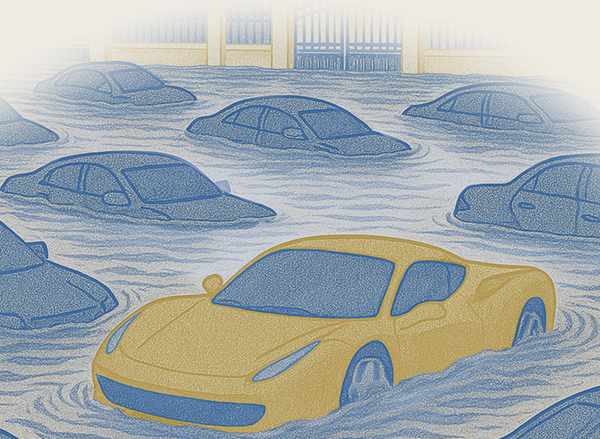
I was recently revisiting Morgan Housel’s insightful book, The Psychology of Money. In one chapter, he recounts working as a valet when he was younger. He got to park expensive cars—Ferraris, Lamborghinis, Rolls-Royces—for people far wealthier than himself. He wanted a car like that someday. He thought it would send a signal: “I’m rich. I’m important. I matter.”
But then, when he looked back, he noticed something peculiar. As a valet, he never actually cared about the drivers. Whenever someone drove in with a fancy car, he never thought, “Wow, the driver must be such a cool person!” Instead, his thought was always: “I wish I had a car like that so people would think I’m cool!”
His goal in getting a luxury car was to make others think highly of him. Yet, having encountered hundreds of luxury car drivers, he realized he didn’t think highly of any of them. In fact, he barely thought of them at all. Housel realized that if his goal was to be respected and admired, luxury goods probably wouldn’t be an effective solution.
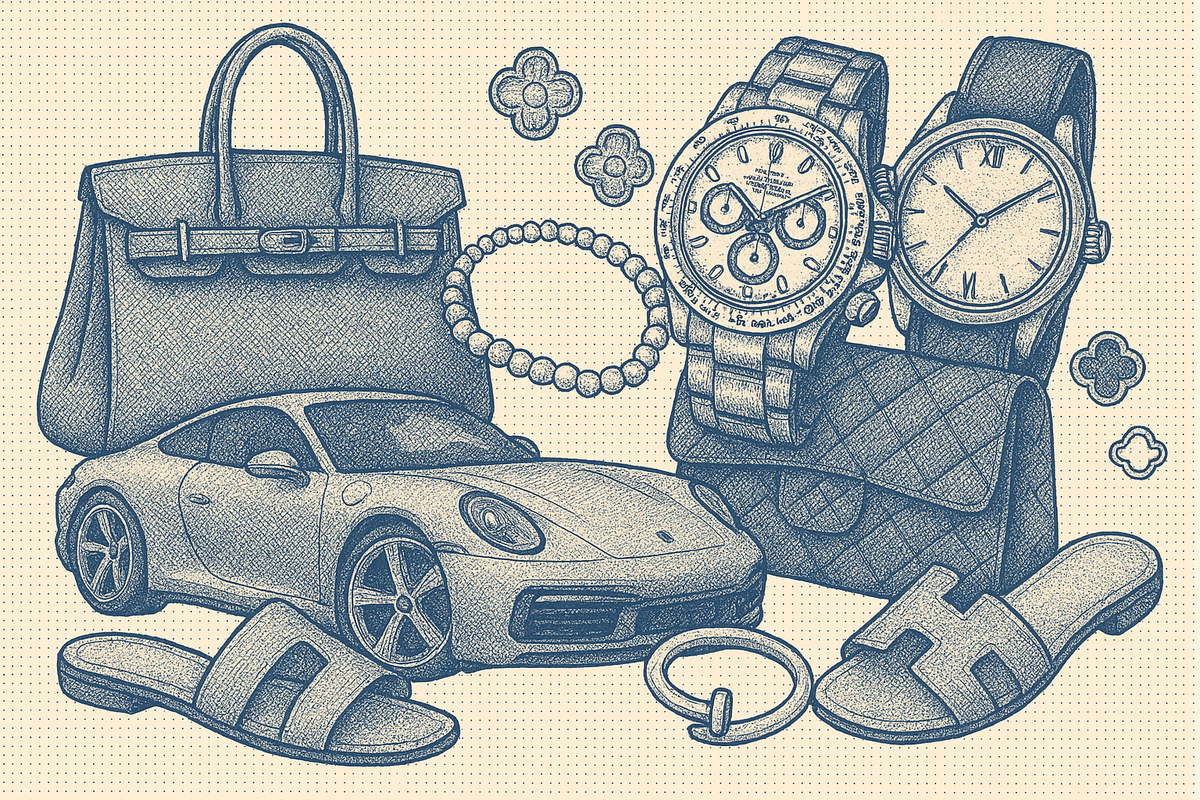
I’ve met people who collect watches. Some have so many that they regularly rotate their collection, buying and selling as they grow tired of the old ones. And yet, when I speak with them, I notice their enthusiasm for their new acquisitions tends to fade quickly. They get the watch, feel euphoric, but in a week or two, it’s just another normal thing—about as remarkable as furniture. I’ve never met a person whose life was permanently changed by buying these luxury goods.
By contrast, if you look closely at what people around you continuously rave about, you’ll notice those things tend to fall under one of two categories: experiences and conveniences. A dishwasher that saves you 30 minutes a day. A vacation in Japan. A good tumbler that keeps your drink cold for hours. They might not be as flashy and eye-catching as a Rolex, but they can bring you joy even when nobody is looking.Conveniences are particularly interesting, considering how affordable they can be relative to the happiness they bring. Why? In his book Stumbling on Happiness, the Harvard psychologist Daniel Gilbert writes that we tend to make more accurate predictions for our happiness when we use real, current experiences rather than imagined futures.
For example, you might think buying a new luxury watch will make you happier, but you’re likely to misjudge, because you can’t really know how you’ll feel until you’ve already bought it. By contrast, if you currently find it inconvenient to do laundry by hand, you will be much more accurate in judging that a washing machine will make you happier. Your decision is based on a current lived experience—the inconvenience of hand-washing laundry. When it comes to happiness, real, current experiences are more accurate predictors than imagined futures.
And not only do conveniences make you happy more consistently, they’re also much cheaper than luxury goods. Instead of buying a new bag, that money could fix a leaky roof, upgrade a spotty internet plan, contribute to your retirement fund, and so on. The joy of removing inconveniences tends to last much longer and cost much less, giving you a higher return on investment for your happiness.
This isn’t a criticism of people who enjoy fine things. There’s nothing wrong with buying something expensive if you genuinely love it. But it’s always worth questioning if the purchase is worth it, because every expense has a corresponding opportunity cost. Money you spend on luxury goods is money you could’ve spent on experiences and conveniences instead.
This is why Morgan Housel advised his children to think through what truly makes them happy. In a letter to his children, he wrote: “You might think you want an expensive car, a fancy watch, and a huge house. But I’m telling you, you don’t. What you want is respect and admiration from other people, and you think having expensive stuff will bring it. It almost never does—especially from the people you want to respect and admire you.”
When everyone around you measures success through material things, it’s worthwhile to step back and ask what’s truly worth spending on to improve your life. Money is a finite resource, so spend it wisely.
First published in the Manila Bulletin.